While numerous restaurant chains promote themselves by highlighting the quality, portion size, or cost-effectiveness of their menu options, they also achieve this through distinctive and memorable logos that remain in the minds of customers who see them. There arenumerous modern chain restaurant logos that are still effective without changeshowever, some fall short of their predecessors.
Whether it's due to the newer logos being overly simple — likethe criticized Cracker Barrel logo that was abandoned shortly after its announcement— or are simply unattractive, there are multiple cases where companies should have kept their classic logos and continued using what was effective in the past. These changes could have been as significant as a total shift in color palette and visual elements or as minor as a color change that doesn't feel right, yet the desire to go back to the original logos remains strong.
Read more: The Top List of American Fast Food Chains
Starbucks - 1987 version
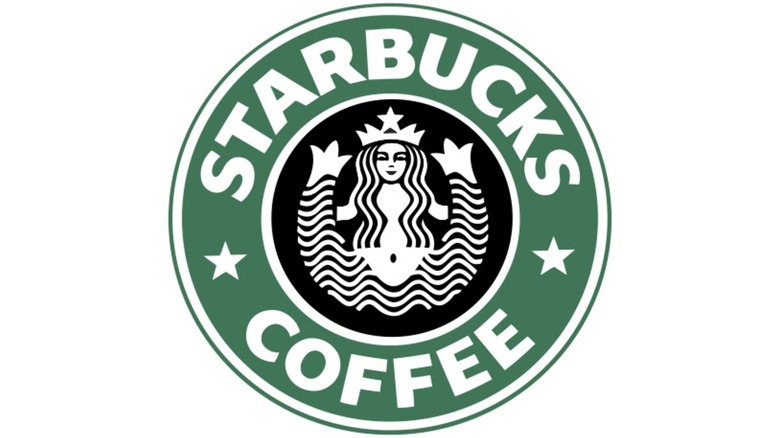
Although Starbucks initially started as a coffee production company rather than a coffee shop, in 1987 new management, influenced by Italian cafés, took control and transformed American coffee culture as we know it. This new approach led to an updated version of the Starbucks siren, the image that all subsequent logo designs have been based on. However, it's difficult to deny that the first version of the popular Starbucks logo possesses certain characteristics that set it apart from the current design. The more distant view of the siren showcases a more intricate artwork, and the combination of black and white with Starbucks' iconic green color makes the logo stand out more than the simpler green and white version seen today.
Wendy's - 1982 version
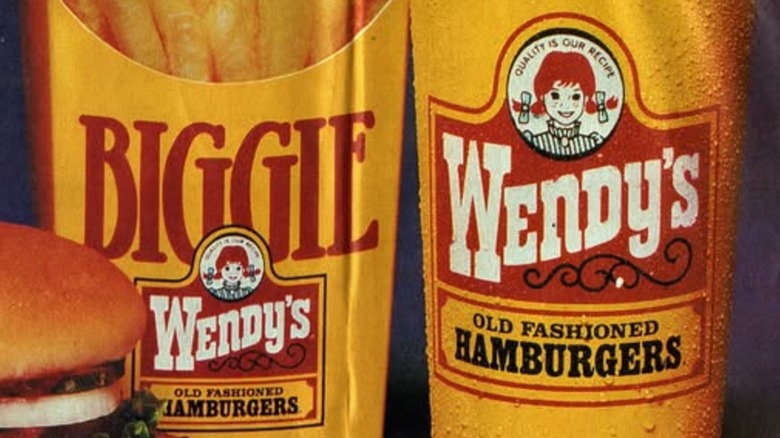
The Wendy's logo has always included the image of Wendy — a young girl with red hair and pigtails wearing a blue and white dress inspired by Dave Thomas' actual daughter, the company's founder — since the restaurant chain first began. However, in the past, the logo was more than just a symbol for the popular brand. The 1982 version of the logo, which remained in use until 2013, showed Wendy standing on a red sign that had the restaurant's name in white and its slogan, "Old Fashioned Hamburgers," in black, set against a yellow background. Although some have criticized this logo for being too busy, the inclusion of the yellow and black slogan gave the design a stronger identity and made it more distinctive compared to other fast-food brands.
Dunkin' Donuts - 2007 edition
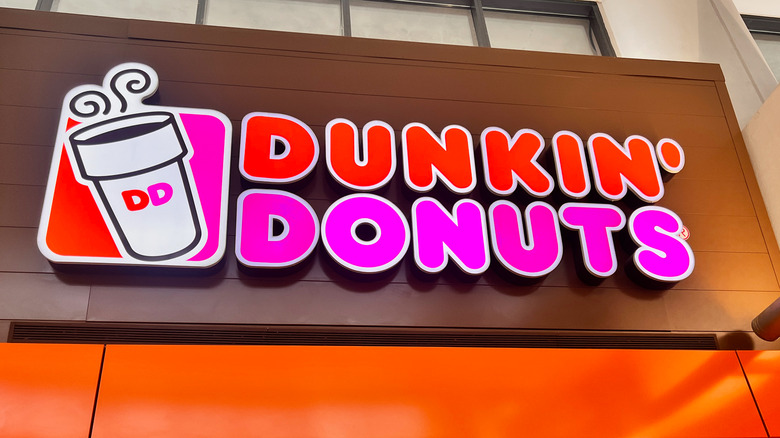
Although the 2007 Dunkin' Donuts logo is only slightly over 15 years old, it is widely considered the most nostalgic and longed-for logo in the brand's history, and this is largely due to one small but significant element: the coffee cup. Dunkin' Donuts changed its name to Dunkin' in 2019,which was seen as a highly contentious makeover during that period. It also chose to simplify its logo to represent this change, removing the iconic coffee cup with steam rising from it. This was seen as a significant mistake for the brand, as the symbol was instantly recognizable and closely associated with the chain during the 2000s. Since the 2007 logo can still be spotted at some Dunkin' locations around the world, bringing back the coffee cup is not beyond the realm of possibility and would mark a return to the chain's distinctive and creative design approach.
Taco Bell - 1992 edition
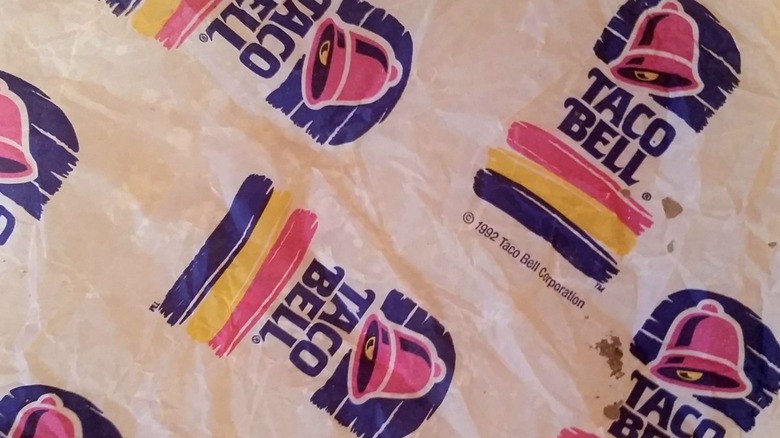
Numerous changes to Taco Bell's logo have evoked a strong sense of longing for different periods in the restaurant's history. Although the 1992 design was only used for two years, it contained elements that are missing from later versions. It is somewhat more rugged and intricate compared to the similar design that took its place in 1994, and far more lively and colorful than the current logo that emerged during the minimalist trend of the 2010s. The 1992 logo is considered one of the best among several notable logos in Taco Bell's history. As the second logo to incorporate the chain's iconic bell imagery and the first to use the pink and purple color palette, this brief yet distinctive logo had an attention-grabbing appearance that set it apart.
Subway - 2002 version
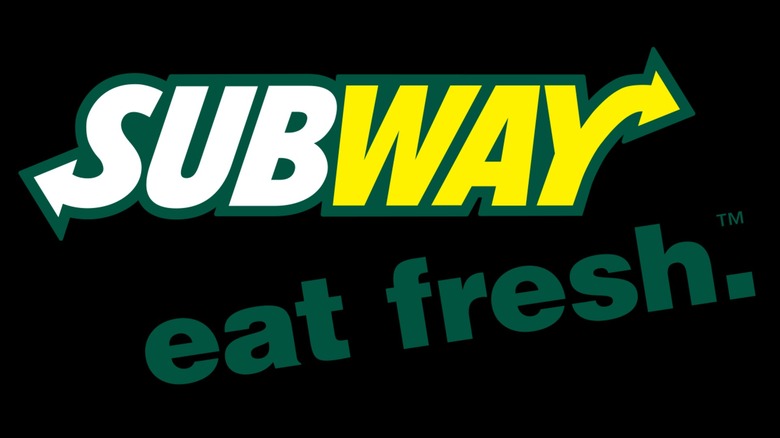
After frequently updating its logo during its first three decades of operation, Subway settled on what seemed to be its final design in 2002, featuring white and yellow text with a dark green border to make the chain's name stand out. This straightforward and effective design was used by the company for 15 years before it was revised in 2016, which can best be described as a minor adjustment that ultimately resulted in a less impactful logo. The redesign saw Subway move away from its traditional white, yellow, and dark green color palette, opting instead for bright yellow and bright green text without any outline, a change that appeared to be a significant step backward.America's largest food chain. Without a third color to complement the newer, more vibrant logo that is currently being used, it seems somewhat unfinished in comparison to the long-standing previous design.
Burger King - 1999 edition
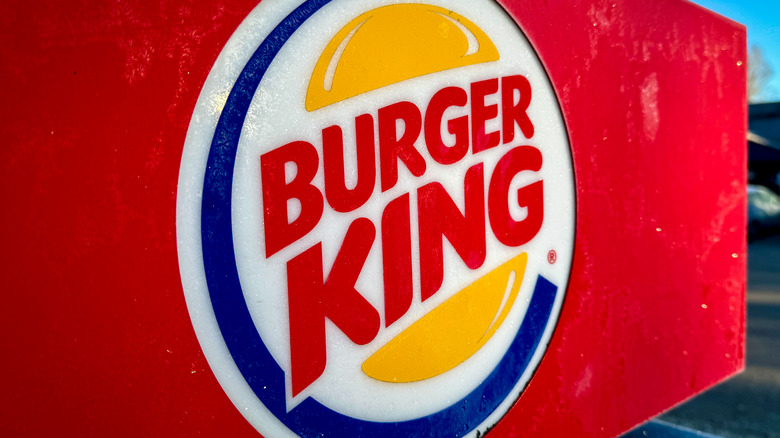
A unique example of a chain returning to a vintage logo after many years away is Burger King, which brought back its logo from the late 20th century in 2021. However, for those with strong sentimental ties to the 2000s, there's no question that the 1999 version is the one they would prefer had stayed. Featuring the repeated theme of placing "Burger King" between two buns, the 1999 logo achieved this while also tilting the text at an angle and incorporating a wide blue border to neatly enclose the text and emblem. This design effectively uses three distinct colors — blue, red, and gold — to create a memorable and attention-grabbing logo, two essential characteristics for any fast food emblem.
Wanting more? Register for the freeDaily Meal newsletterFor tasty recipes, cooking advice, kitchen tricks, and additional content, sent directly to your email.
Read the original article on Daily Meal.