Rice: The Hidden Danger in Your Kitchen
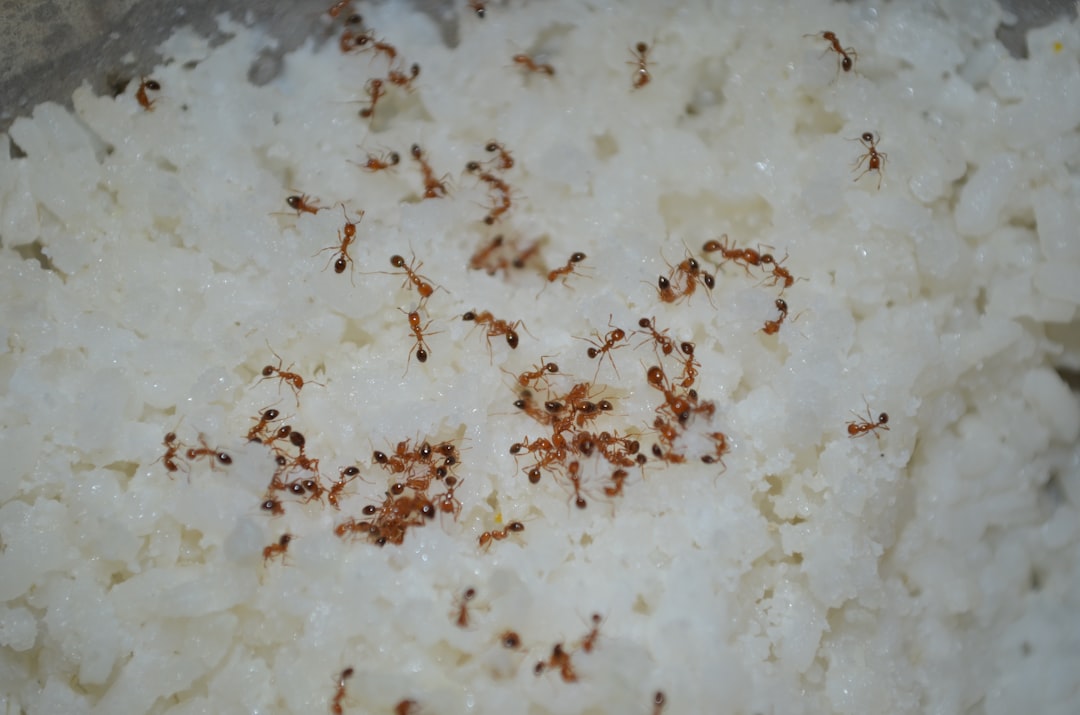
Rice is a common ingredient in numerous culinary traditions, but it comes with certain dangers. When left at room temperature, cooked rice may contain Bacillus cereus spores, which are difficult to eliminate through reheating.
Since B. cereus spores can endure cooking, reheating the rice does not eliminate the bacteria.
Reheating the rice is ineffective at eliminating the bacterial spores. These microorganisms can lead to foodborne illness, resulting in symptoms such as nausea or loose stools.
Bacillus cereus is a major source of food poisoning in the United States, as reported by the Centers for Disease Control and Prevention (CDC). The temperature range from forty to one hundred forty degrees Fahrenheit provides an ideal environment for these tiny pathogens.
The main cause of B. cereus contamination is incorrect food handling and improper temperature control when preparing, cooling, and reheating rice.
Storing rice in the refrigerator within an hour after it has cooled, and eating it within 24 hours can help reduce this risk.
Spinach - From Nutrient-Rich Food to Potential Hazard
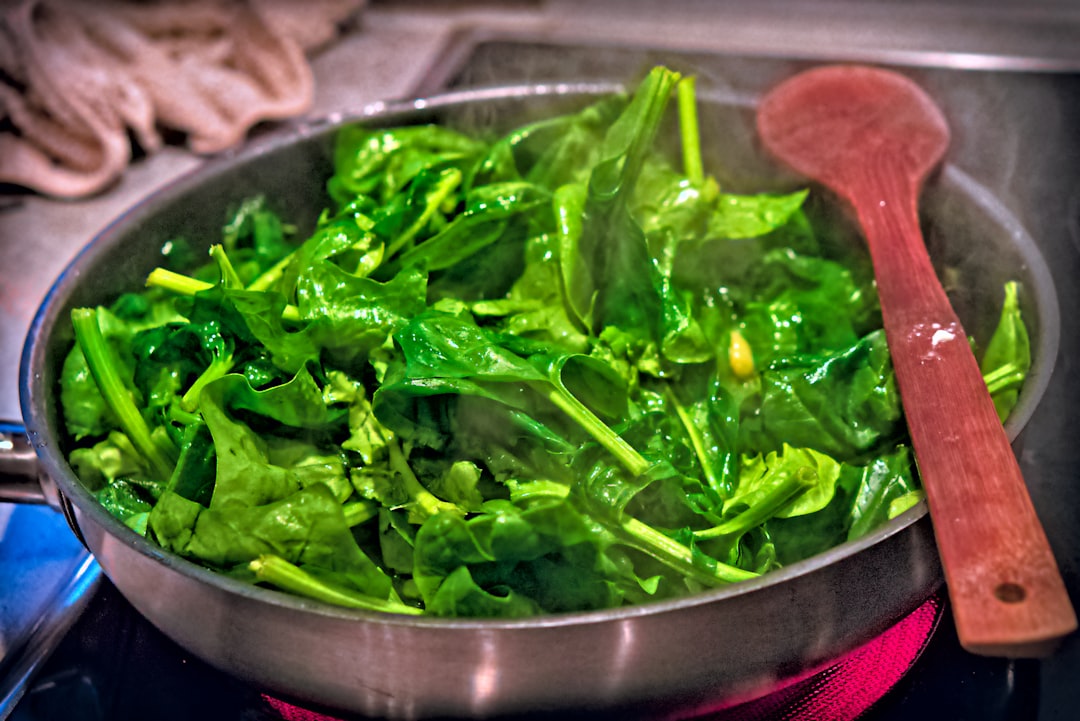
Spinach contains a high amount of nitrates, which are natural substances that could potentially lower your chances of cancer and other long-term health issues, as reported by WebMD – positive information. However, ingesting excessive nitrates might result in "significant health problems," according to the Centers for Disease Control and Prevention (CDC), particularly affecting infants.
However, I came across a brief article from the European Food Information Council that supported the claim regarding nitrates and nitrites: "Nitrate by itself is completely safe, but it can be transformed into nitrites, and subsequently into nitrosamines, some of which are recognized as cancer-causing agents." Additionally, a study conducted by the University of Medical Sciences in Iran revealed that cooking significantly raised nitrate levels in spinach, and research published in Foods indicated that stir-frying increased nitrate content by 31%.
Additionally, when you prepare spinach using high heat, nitrates may transform into nitrosamines, which are known to be cancer-causing. This change occurs unnoticed, turning a previously nutritious dish into a potential health risk.
Potato: The Secret Danger of Botulism
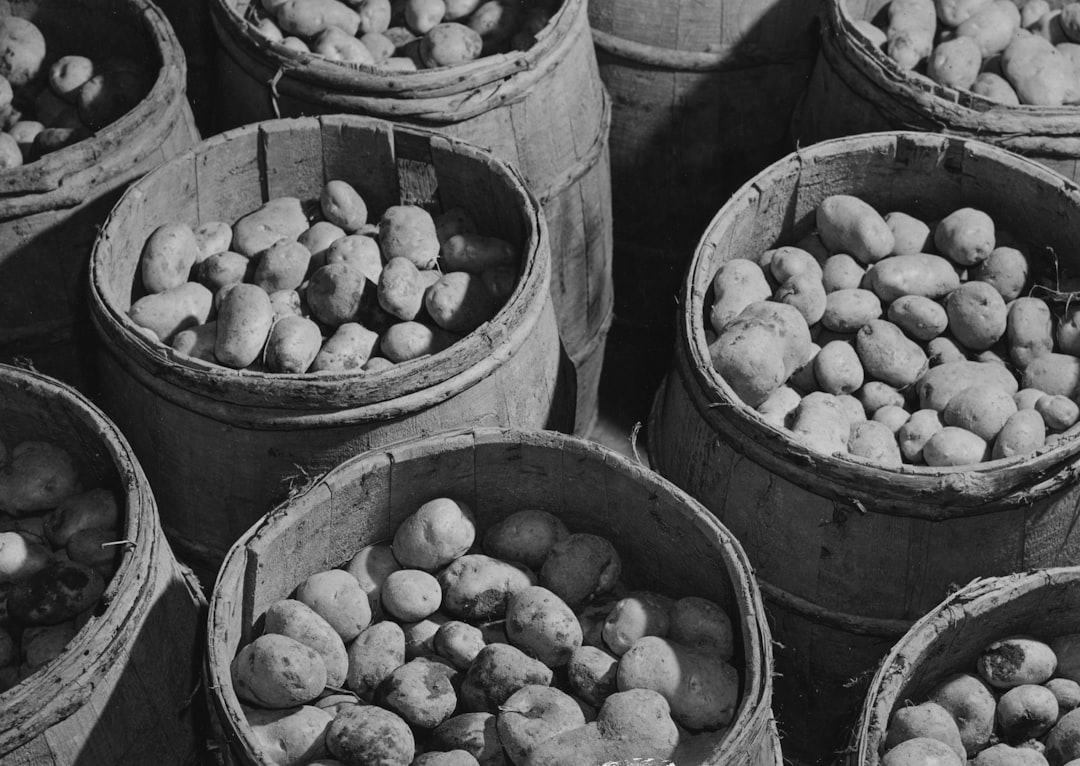
Potatoes must not be kept at room temperature. If stored incorrectly, they can encourage the growth of Clostridium botulinum, a bacteria responsible for botulism, which may result in paralysis or even fatalities.
Potatoes have been associated with botulism incidents when kept at room temperature for long durations without proper handling. Consider carefully before wrapping extra baked potatoes in aluminum foil for storage.
This establishes a setting devoid of oxygen, allowing harmful bacteria to grow unnoticed.
Chicken - The Source of Salmonella
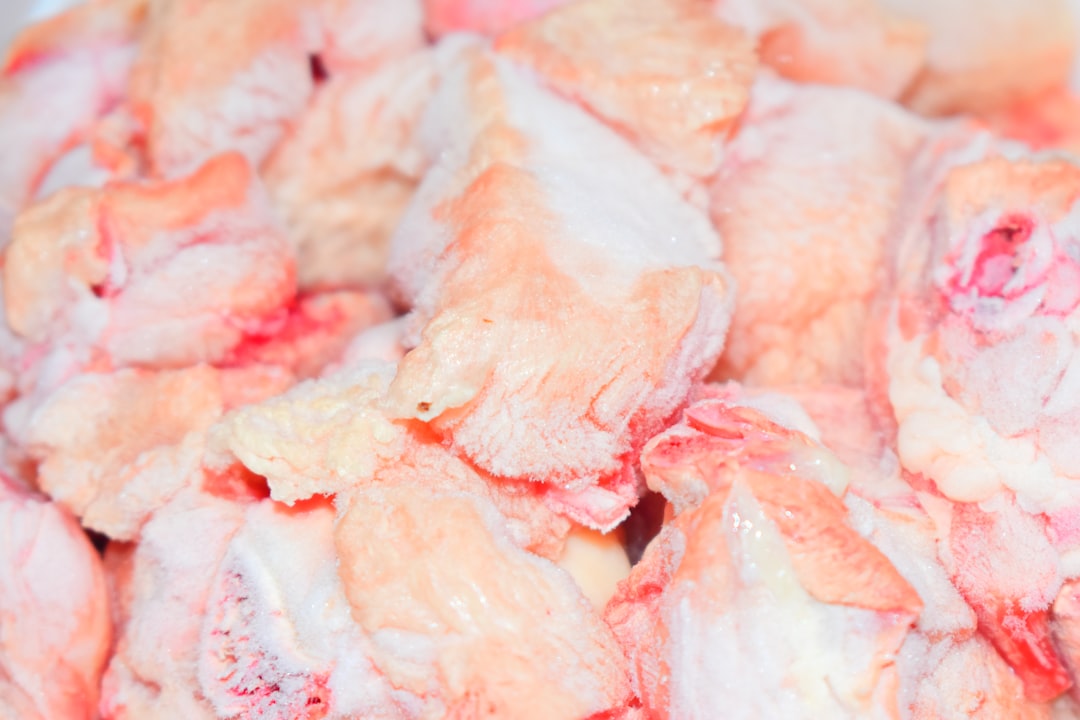
Poultry, especially when reheated, carries a potential risk of salmonella infection. The bacteria may endure the initial cooking and increase in number if the chicken is not stored correctly.
It's essential to heat chicken until it attains an internal temperature of 165°F (74°C) to destroy any lingering bacteria. Using a microwave to reheat chicken may result in a tough and flavorless texture, which is far from ideal.
If not cooked correctly, it can turn into a breeding ground for bacteria such as salmonella. Numerous families use the microwave to reheat food quickly, unaware that this approach leads to uneven heating, allowing bacteria to remain.
The way the protein is structured alters every time chicken is reheated, resulting in not only a less appealing taste but also making it more difficult for your body to process safely.
Mushrooms - The Protein Dilemma

Reheating mushrooms might result in stomach discomfort, whereas chicken could cause digestive issues. It is advised against reheating mushrooms because they are susceptible to bacterial growth.
Mushrooms are rich in protein, and reheating might not destroy all bacteria, which can cause digestive problems. They are fragile and need to be handled with care.
Heating them in the microwave may result in a slimy texture and a less flavorful taste. Mushrooms should be reheated using the same method they were originally prepared.
Furthermore, incorrect reheating can disrupt your digestive system and generate toxins such as oxidized nitrogen, rendering them unsafe for consumption. Their fragile cellular structure deteriorates quickly when subjected to repeated heating, creating an ideal setting for harmful bacteria to grow.
Eggs - The Protein Shift
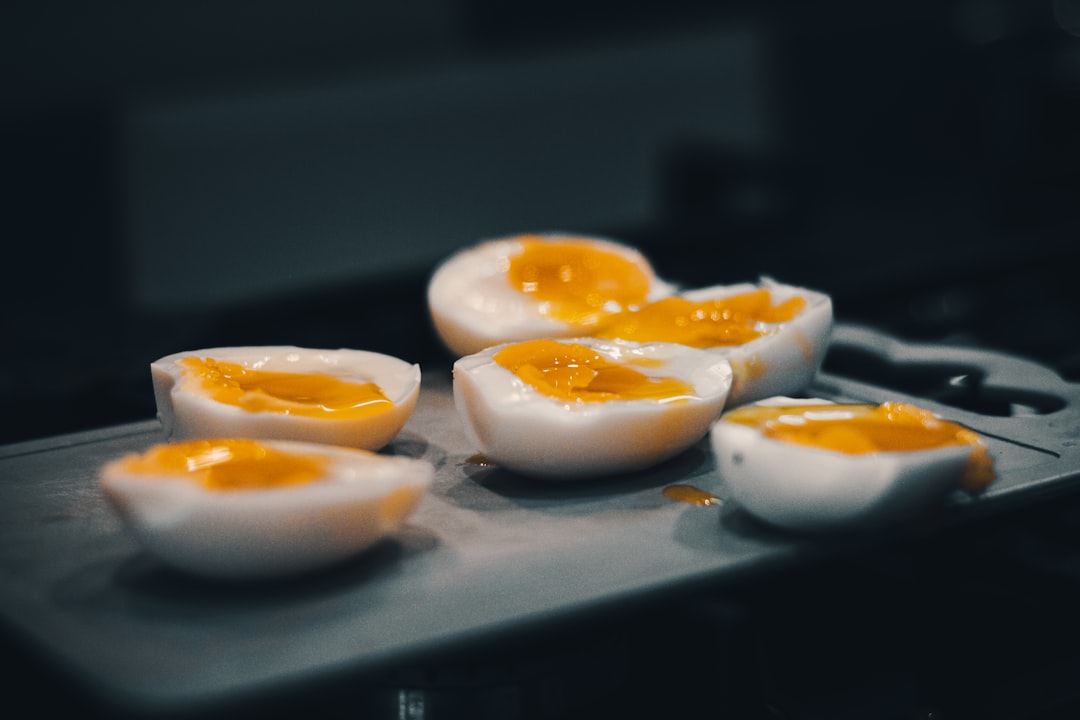
Eggs are a common breakfast food, but they can pose hidden dangers when reheated. Whether scrambled or boiled, eggs may experience changes in their protein structure when exposed to high heat.
This change can make them hard to digest and possibly harmful. Leftover morning scramble could upset your stomach later!
Eggs serve as an ideal environment for Staphylococcus aureus bacteria, which generate heat-stable toxins that remain even after proper cooking. Whether the egg is shelled or not, cooking a hard-boiled egg in a microwave can lead to significant steam accumulation inside, similar to a small pressure cooker, potentially causing the egg to burst!
Even more alarming, the egg might explode after being heated, meaning the extremely hot egg can burst in your hand, on your plate, or even in your mouth.
Oils - The Hidden Source of Toxic Substances

Some oils, particularly those with a low smoke point such as walnut oil, can become harmful when reused. When oils are heated past their smoke point (approximately 375°F), they release dangerous substances that may raise LDL (bad cholesterol) levels and the likelihood of heart disease.
These harmful substances may appear in certain oils, including sunflower oil, when they are heated to an appropriate temperature for frying. The researcher is a co-author of a study that verifies the coexistence of multiple toxic aldehydes from the 'oxygenated α, β-unsaturated' category, such as 4-hydroxy-[E]-2nonenal.
Up until this point, these substances had only been observed in biomedical research, where their occurrence in living organisms is associated with various forms of cancer and neurodegenerative conditions like Alzheimer's and Parkinson's. Every time you reheat cooking oil, you're essentially producing a mixture of dangerous compounds that your body was not designed to handle.
Carrots and Other Underground Vegetables - The Level of Nitrate
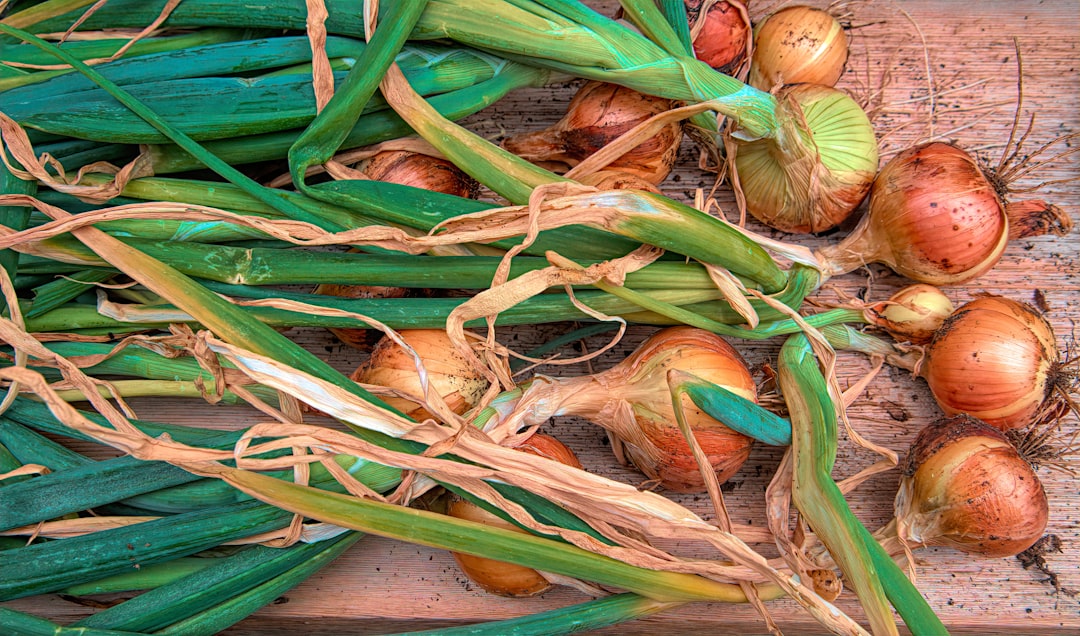
Carrots, similar to beets, have nitrates that turn into nitrites when heated again. Although fresh carrots are healthy, reheating them may lead to a decrease in nutrients and possible harmful effects.
Vegetables that contain high levels of nitrate, such as carrots, turnips, celery, or spinach, may become harmful when reheated. These reheated vegetables can possess cancer-causing effects.
Root vegetables store nitrates within their cells as they develop. This inherent process can lead to issues when bacterial enzymes transform these substances into dangerous materials during the reheating stage.
A study by the Centre for Food Safety has revealed that among the leafy vegetables, amaranth (莧菜), green Chinese cabbage (小棠菜), Pak-choi (白菜), and spinach (菠菜) have higher levels of nitrate. Beetroot (紅菜頭), a root vegetable, also has a high level of nitrate.
The same concept holds true for various orange and red vegetables that households often reheat without any worry.
Processed Meats - The Chemical Reaction Chamber

Processed meats frequently include additives and preservatives that help prolong their freshness. Regrettably, heating them in a microwave may increase the harmful effects of these substances.
Heating pre-packaged meats in a microwave could lead to unintended chemical transformations, including oxidized cholesterol, as noted in a study published in the Journal of Agricultural and Food Chemistry. Items such as hot dogs or sliced meats may produce harmful substances when heated in a microwave.
Certain foods contain preservatives that may become cancer-causing when subjected to the high temperatures of a microwave. The same substances that help maintain the freshness of processed meats can turn into harmful elements when exposed to repeated heat.
Numerous households depend on processed meats for fast dining options, without being aware that every time they reheat, it leads to a higher level of dangerous substances.
Seafood - The Area Where Bacteria Multiply

Reheating fish or shellfish in the microwave can lead to negative results. It may cause an unpleasant odor, make the seafood dry, and damage its taste.
Furthermore, inconsistent heating raises the likelihood of foodborne illness. Seafood and shellfish deteriorate more quickly than most other protein sources, which makes them especially hazardous if not reheated correctly.
The fragile tissue deteriorates rapidly, forming areas where bacteria can reside and proliferate even when reheated. Seafood proteins are particularly vulnerable to changes in temperature, and the inconsistent heating of microwaves leads to ideal conditions for bacterial development.
A meal that begins as a healthy dish can turn into a source of food poisoning if not stored correctly within a short period of time.
The True Dangers of Reheating

Handling reheated foods that could be harmful should not be treated with carelessness. Nevertheless, illness, death, or even loss of a limb due to food poisoning from leftover meals has happened in the past.
The risk is not only in the reheating process but also in the whole sequence of steps starting from cooking, through storage, to reheating. Firstly, a microwave does not heat food uniformly, which frequently results in bacteria remaining in the reheated food.
Another issue is that microwave radiation can directly lead to the formation of cancer-causing substances. Variations in temperature can create areas where dangerous microbes grow unnoticed.
The mix of incorrect storage temperatures, bacterial development, and chemical changes while reheating leads to a dangerous situation of possible health risks that most households don't think about when preparing their food.
Conclusion

Recognizing these concealed risks doesn't imply you should be afraid of every remaining item in your fridge. The essential aspect is using correct methods for handling, storing, and reheating food.
Keep foods stored promptly following preparation, ensure your refrigerator is at the correct temperature, and when uncertain, opt for fresh items instead of reheated ones. These straightforward yet essential food safety measures are vital for your family's well-being.
A seemingly innocent approach to meal preparation might actually be endangering your family. Have you been reheating any of these risky foods without being aware of the potential dangers?
Leave your opinions in the comments section below — we can't wait to read what you have to say! Want more articles like this? Subscribe to our page and stay updated!