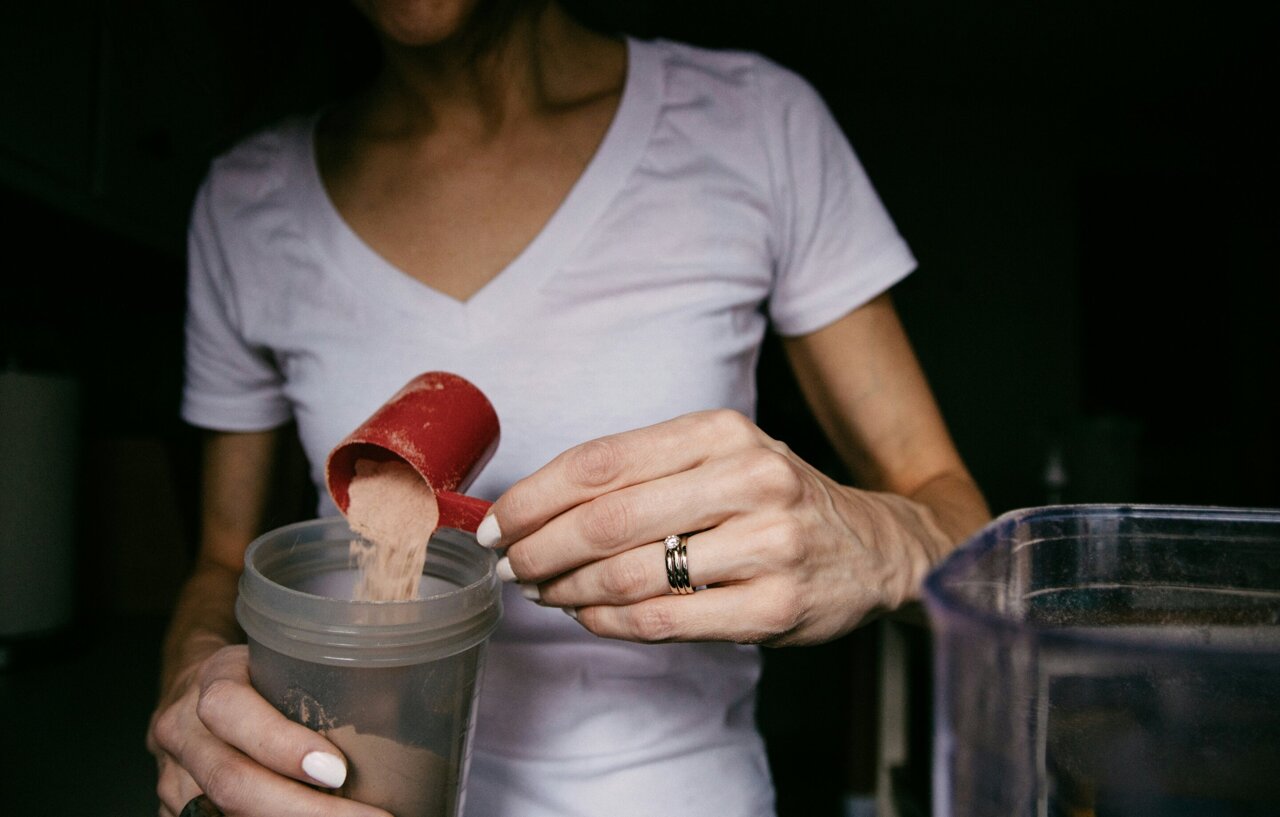
This week, the U.S. non-profit organization Consumer Reportsreleased its investigationtesting 23 protein powders and pre-made shakes from well-known brands to check for the presence of heavy metals.
Subscribe to our newsletterfor the most recent science and technology news updates.
More than two-thirdsmore than the recommended serving size of the products contained leadCalifornian guidelinesrecommend within a day: 0.5 micrograms (mcg or µg).
Protein supplements and shakes are typically utilized to increase muscle mass. However, some individuals might incorporate them into a weight reduction plan as a substitute for meals, or to regain weight that was lost due to an illness or injury.
Some items evaluated by Consumer Reports were plant-derived, others were marked as organic, and some incorporated animal and dairy-based proteins. Just one product had no measurable lead content.
What implications does this have for individuals who consume protein powder? How is the scenario in Australia?
Lead has previously been detected in protein powder.
Consumer Reports found lead levels increasedSince its previous report in 2010, one product had twice the amount of lead per serving compared to the worst performer in 2010.
A separate investigation in 2018A study that examined 130 protein powders available on Amazon discovered that 70% contained heavy metals.
Another analysisA study of 36 protein powders in 2021 revealed that lead concentrations varied between 0.8 and 88.4 mcg per kilogram of the product. If someone consumes a single 20-gram serving daily, their intake would range from 0.016 mcg to 1.77 mcg.
How does lead end up in these items?
Lead originates from both natural sources, including volcanic eruptions and the chemical breakdown of rocks, as well as human activities like leaded gasoline, manufacturing processes, and paint. This leads to crops taking in lead, allowing the metal to enter the food and water supply.
In US government testingBetween 2014 and 2016, 27% of all food samples (2,923) contained lead.
In Australia, testing in 2019It was discovered that 15% of the 508 food samples contained measurable amounts of lead. According to modeling by Food Standards Australia New Zealand (FSANZ), this would lead to an average daily lead consumption of 0.018–0.16 mcg per kg across various age groups. For someone weighing 70kg, this translates to between 1.26 and 11.2 mcg per day from food and beverages.
Lead can also be inhaled as dust from manufacturing activities such asmining smeltersor by inhaling (or licking) particles of lead-containing paint while handling old lead toys or other lead items, or from ingesting or coming into contact withcontaminated water or soil.
What are the ways lead can impact your well-being?
Lead offers no health advantages. It isharmful to the bodyand may harm almost all organ systems.
Its greatest impactaffects the brain and nervous system. In children, this may result in hindered cognitive and physical growth, learning difficulties, and behavioral issues.
Prolonged exposure to high levels of lead can elevate the chances of anemia, joint pain, kidney injury, and nerve damage, which may result in tingling, numbness, and muscle weakness in adults.
During pregnancy, lead can pass to the fetus, causing problems like early delivery, low birth weight, and developmental challenges in the child. It is also a worry for mothers who are breastfeeding, as some lead can be transferred through breast milk.
Lead has also been includedas a possible carcinogen, or cause of cancer, by the International Agency for Research on Cancer.
As blood levels rise, health issues become more concerning.Very high levelshaving more than 120 mcg per deciliter in the blood can be fatal.
What is considered a safe level of lead according to other guidelines?
The Australian National Health and Medical Research Council (NHMRC) states that there is no defined safe amount of lead in your diet. It is recommended to minimize intake to prevent health risks.
The NHRMC recommendsBlood concentrations, which consider all sources of exposure, should remain under 5 micrograms per deciliter of blood. (However, Australia does not establish a daily limit.)
In 2022, the United States Food and Drug AdministrationupdatedThe maximum safe dietary lead levels are set at 2.2 mcg per day for children and 8.8 mcg per day for women who can bear children. This is significantly higher than the levels Consumer Reports has recommended.
According to the FDA guidelines, all products evaluated by Consumer Reports are safe for daily consumption by adults; however, this does not consider exposure from other food sources or the environment.
Should we worry about Australia?
Many of the items evaluated by Consumer Reports can be bought online, and could also be found in retail stores.
No information is available regarding lead concentrations in protein powder produced and sourced in Australia.
There's no way to determine if your protein supplement contains lead unless you have it chemically tested by a certified laboratory, as Consumer Reports did.
Should I restrict my consumption?
Likely, but not solely due to worries about lead.
We are unsure of the exact amount of lead present in each scoop of protein powder, making it challenging to advise on the safety of daily usage. The levels can differ across products and even within different containers. Infrequent use is probably safe, but consuming it every day or more frequently might result in excessive lead intake.
It's also crucial to keep in mind that your blood levels can be influenced by environmental factors and other dietary items.
But most of us don't need extra protein, even if we're training. Around 99% of Australiansalready reached their protein needs.
It's preferable to obtain protein from natural food sources, and you'll also benefit from additional nutrients:
- Milk products also include calcium and vitamin B12
- dairy products that have been fermented, like yogurt and cheese, also include probiotics
- fish has omega-3 fats
- Red meat provides iron and zinc.
- Lentils, beans, and nuts provide you with antioxidants and dietary fiber.
All these nutrients are equally essential for maintaining good health and are less prone to contain high levels of heavy metals like lead.
This piece is reprinted fromThe Conversationunder a Creative Commons license. Read theoriginal article.
Provided by The Conversation
This narrative was first released onMedical Xpress.