We could earn a commission from purchases through these links.
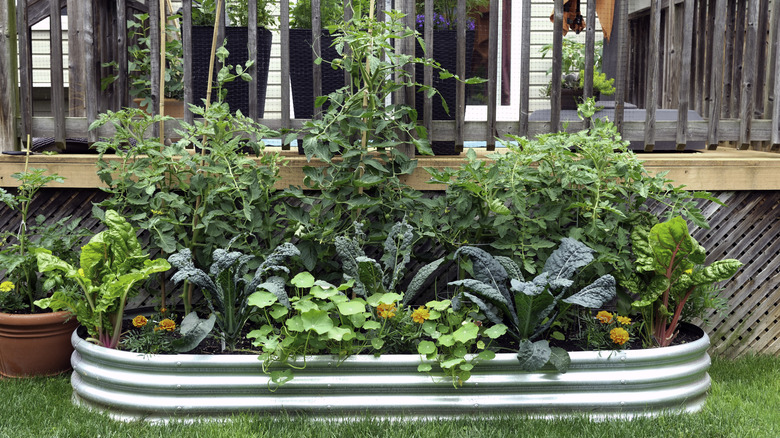
Growing your own home vegetable garden can be truly fulfilling — and quite complex. Fromplanning your layout to controlling pests, there are several elements that new gardeners should take into account to achieve a successful harvest. One aspect that many people prefer not to consider are weeds, the undesirable plants that can appear and take over your planned crop. For gardeners who want to avoid this letdown in the easiest way possible, using a pre-emergent herbicide such asPreen Weed Preventeris the clear answer. However, could using Preen negatively impact your plants' growth or safety for consumption?
According to expert Kevin M. Folta, Ph.D, a professor of horticultural sciences at the University of Florida, Preen is safe to use near established plants, but should not be applied to newly planted areas or mixed into the soil. This is because trifluralin, the main component in Preen, interferes with cell division. "When Preen is present and water is added, new seeds won't sprout," Folta explains. "This is an effective way to prevent weeds from growing in an already planted garden bed," he notes, but the herbicide will also prevent vegetable and flower seeds from germinating — which essentially defeats the purpose of planting them in the first place.
Read more: Don't Discard These 11 Vegetable Trimmings, Grow Them Instead
How to reduce the dangers associated with Preen
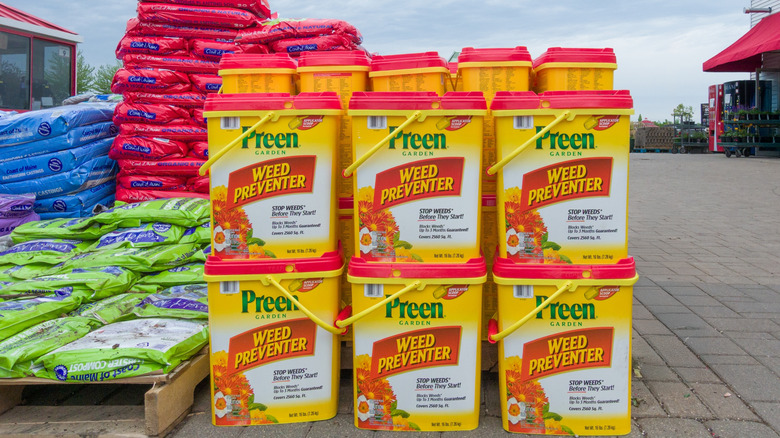
Even if you know that Preen doesn't impact the growth of mature plants, you could still feel uneasy about consuming vegetables that have come into contact with a pesticide. Fortunately, Kevin M. Folta explains that the amounts of harmful substances found in household herbicides are typically low-risk, meaning your vegetables should be safe to eat.
For more in-depth safety details, he suggests thoroughly reviewing the label, which should "include clear directions on how much to use, the necessary personal protective gear or attire, and possible pre-harvest intervals — the period you need to wait for the herbicide to dissipate before the food is safe for consumption." Additional information can be found in the Material Safety Data Sheet (MSDS), which offers a detailed overview of possible dangers. "However, these documents are often misunderstood, as the concentrations of herbicides available to consumers are typically low risk," Folta cautions.
In the end, Folta states, the key guideline for using pesticides and herbicides is the four R's — right time, right location, correct quantity, and proper source. "Getting these factors accurate, along with using the suggested personal protective gear, can enable you to use any herbicide safely," he suggests. If you choose not to use Preen, you might also discover natural weed control options available to you.kitchen pantry, including vinegar and sunflower seeds.
To enhance the efficiency of herbicides, Folta suggests combining them with methods such as mulching, which also prevents weed seeds from sprouting, and cover cropping, which minimizes the number of unwanted seeds in the soil. "When used together, these approaches create highly effective weed management," he explains.
Want more food knowledge? Register for our complimentary newsletterwhere we're assisting thousands of food enthusiasts, like you, in mastering the culinary arts, one email at a time.
Read the original article on Healthy urvival.